
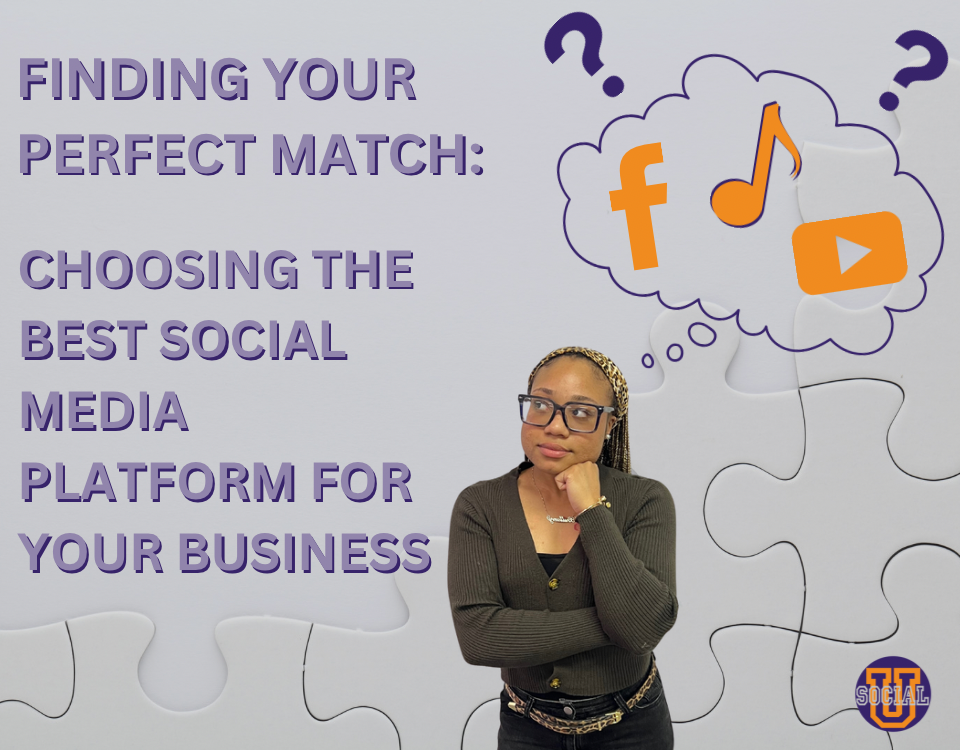
As a small business owner, you wear many hats. Marketing can feel overwhelming, especially when it comes to social media. With platforms like Facebook, Instagram, LinkedIn, YouTube, and TikTok, it can be tempting to try to be everywhere at once. However, spreading yourself too thin can be counterproductive.
The key is to identify the best social media platform for your specific business needs and target audience. This will allow you to focus your efforts and maximize your return on investment.
Understanding Your Audience is Key
Before diving into the specifics of each platform, it’s crucial to understand your ideal customer.
- Who are they? What are their demographics? Interests? Hobbies? Where do they spend their time online?
- Where do they hang out? Do they prefer visual platforms like Instagram and TikTok? Are they more likely to engage with professional content on LinkedIn?
- Review your recent customer data.
Analyzing Your Existing Customers
- Identify commonalities: Are there any recurring patterns in age, location, or purchasing behavior?
- Consider your current customer base: Are they primarily younger professionals who are active on LinkedIn? Or are they more likely to be older consumers who prefer Facebook?

The Big Five: A Platform-by-Platform Look
Let’s explore some of the most popular social media platforms and their key characteristics:
Facebook:
- Pros: Largest user base, diverse audience, strong advertising options, effective for local businesses.
- Cons: Declining organic reach, algorithm can be unpredictable, increasing focus on video content.
- Ideal for: Businesses targeting a broad audience, local businesses, non-profits.
Instagram:
- Pros: Highly visual platform, strong focus on storytelling and engagement, great for brands with visually appealing products.
- Cons: Increasingly focused on video content (Reels), algorithm can be challenging to navigate.
- Ideal for: Brands with visually appealing products (fashion, food, travel), influencers, young adult audiences.
LinkedIn:
- Pros: Professional networking platform, ideal for B2B businesses, excellent for thought leadership and industry insights.
- Cons: Can have a steeper learning curve, requires consistent effort to build a strong presence.
- Ideal for: B2B businesses, professionals, recruiters, job seekers.
YouTube:
- Pros: Powerful video platform, excellent for SEO, great for building brand awareness and educating customers.
- Cons: High competition, requires consistent video production.
- Ideal for: Businesses that can create high-quality video content, educational brands, entertainers.
TikTok:
- Pros: Highly engaging, fast-growing platform, excellent for reaching younger audiences, organic reach potential.
- Cons: Can be challenging to predict trends, requires creative and engaging video content.
- Ideal for: Brands targeting younger audiences, businesses that can leverage trends and create entertaining content.
Choosing the Right Platform(s) for You
- Prioritize: Choose one or two platforms to focus on initially. Don’t spread yourself too thin.
- Test and Analyze: Experiment with different content formats and track your results.
- Regularly Audit: Conduct regular self-audits of your social media presence to identify areas for improvement and adjust your strategy accordingly.
Remember: Social media is an ongoing process. Continuously monitor your results, adapt your strategies, and engage with your audience to build a strong and successful social media presence.

0 Comments