
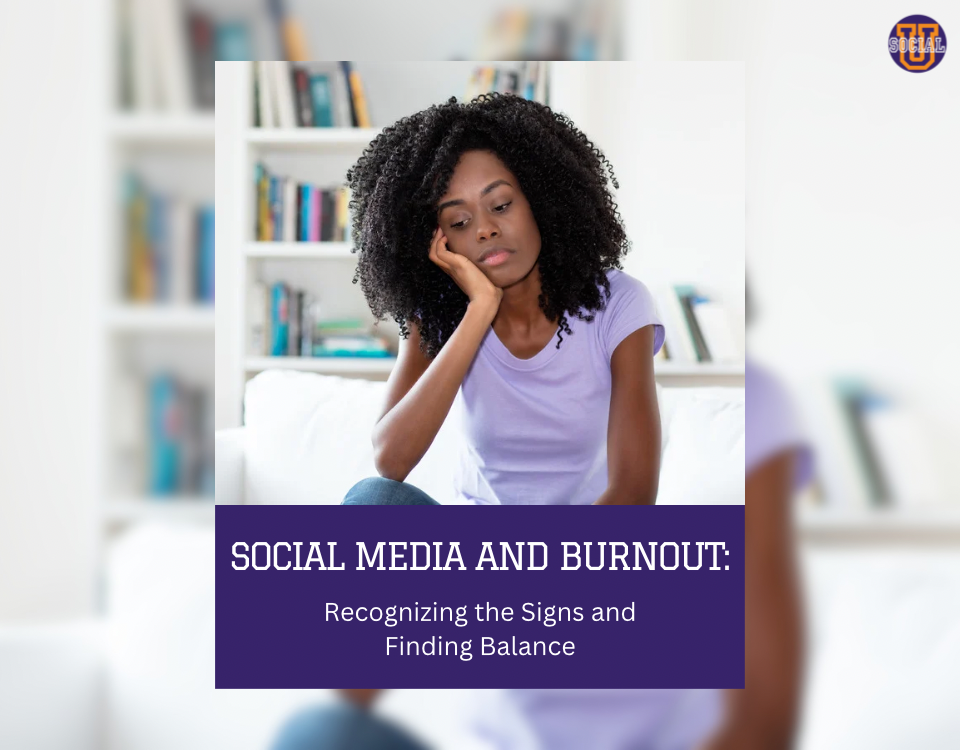
May is Mental Health Month and we’re diving into how digital life impacts emotional well-being—especially for small business owners, social media managers, and anyone spending a significant amount of time online. One of the biggest challenges in our digital world? Burnout. If you’ve ever felt like you “just can’t make one more post,” you’re not alone.

Recognizing What Burnout Looks Like
- Feeling Overwhelmed or Anxious: When even thinking about social media triggers feelings of dread or stress, that’s a red flag. The constant flow of information and updates can feel like too much—and that emotional fatigue is real.
- Decreased Productivity: Burnout makes it harder to focus. You may start procrastinating or find yourself zoning out mid-task. Many social media managers admit they can’t bring themselves to post personally after a full workday managing content for others.
- Neglecting Real-Life Relationships: Choosing screen time over face time can take a toll. Whether you’re doom-scrolling before bed or checking feeds while at dinner, digital overload can slowly replace quality time with loved ones.
- Compulsive Checking: Do you reach for your phone even though you just checked it minutes ago? Social platforms like Instagram and TikTok are designed to keep you coming back, which can turn into a habit that’s hard to break.
- Emotional Exhaustion: If social media used to be fun but now feels like a chore, that’s emotional burnout. Feeling drained after spending time online is common, and it often signals a need for a break.
- Irritability and Cynicism: Increased frustration or negativity after being online—especially around contentious topics like politics or polarizing news—can indicate emotional overload.
- Sleep Disturbances: Late-night scrolling disrupts sleep. Notifications and blue light affect your brain’s ability to wind down, making restful sleep more difficult.
- Physical Symptoms: Burnout doesn’t just impact your mood. It can manifest physically as headaches, eye strain, or even hand and wrist pain from excessive device use.
- FOMO Intensified: Fear of missing out (FOMO) keeps us tied to our screens. Even when overwhelmed, we’re afraid to unplug. This cycle of reluctant engagement adds to mental stress.
- Lost of Interest in Other Activities: When hobbies you used to love feel like a hassle and your attention span shrinks, it’s often burnout taking the joy out of things that once fulfilled you.

Tips to Find a Healthier Balance
- Be Mindful of Your Usage: Start by tracking how much time you actually spend on social media. Smartphones and apps like Toggl can show you where your attention goes each day.
- Set Time Limits: Use screen time tools or third-party apps to cap daily social media use. Creating boundaries—even 30 minutes at a time—makes space for mental recovery.
- Designate Tech-Free Zones and Times: Make meals, movies, and bedtime screen-free. Prioritizing presence helps strengthen real-world relationships and gives your brain a break.
- Turn Off Non-Essential Notifications: Disable alerts for personal accounts and limit notifications to essential business updates. This reduces distractions and anxiety.
- Curate Your Feed: Unfollow accounts that spark negativity or comparison. Fill your feed with content that brings you joy, inspiration, or peace.
- Prioritize Real-Life Connections: Schedule quality time with friends and family. Real conversations and experiences help reset your emotional state.
- Take Regular Breaks: Step away from your screen periodically—whether it’s a five-minute walk or a weekend unplugged. Detox time is essential.
- Be Intentional with Engagement: Before opening any app, ask yourself: Why am I logging on? What am I looking for? Clear goals help prevent endless scrolling.
- Practice Self-Care: Make time for what fills you up—exercise, hobbies, mindfulness. The more balanced your life offline, the better you’ll manage online stress.
- Reflect on Your Feelings: Ask yourself regularly – How is this making me feel? If the answer is anxious, overwhelmed, or drained, it may be time to recalibrate your digital habits.
Burnout is real—but it’s also manageable. By recognizing the signs and taking intentional steps to set boundaries, you can reclaim your relationship with social media and protect your mental health.

0 Comments