
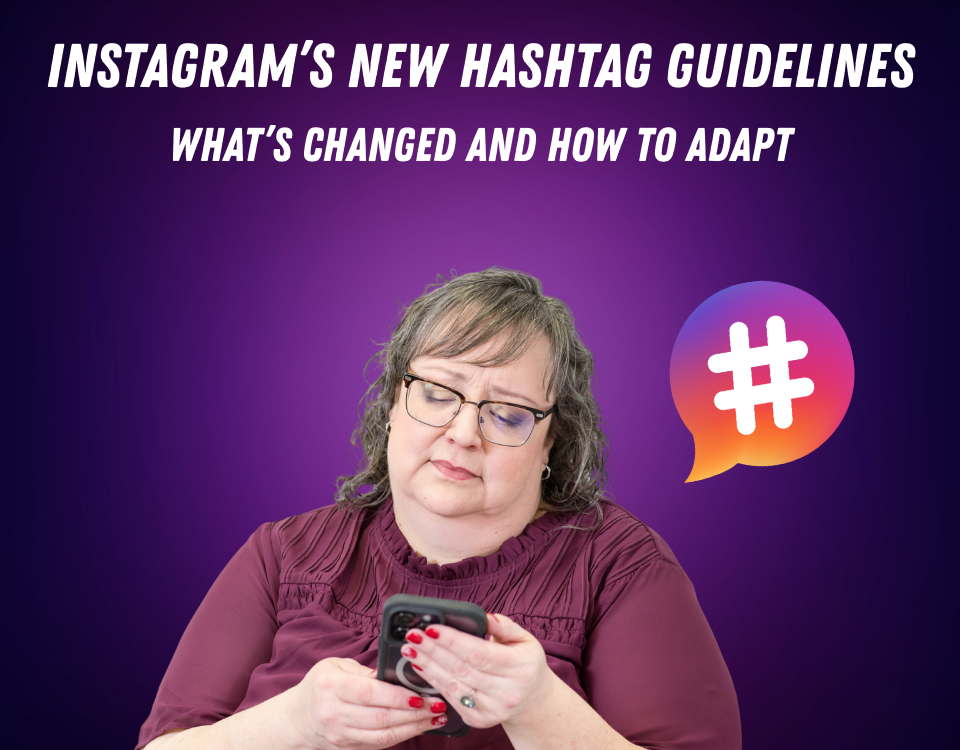
Hashtags used to be a core part of Instagram growth. Creators packed posts with up to 30 tags, hoping to land on explore pages and hashtag feeds. But Instagram has officially shifted its stance — and the way hashtags work in 2026 looks very different from what many businesses are still doing today.
Here’s what’s changed, what actually matters now, and how to adjust your strategy without hurting your reach.
Instagram Now Limits Hashtags to Five
Instagram has rolled out a new guideline limiting posts and Reels to a maximum of five hashtags. This is a major change from the long-standing 30-hashtag allowance.
According to Instagram, fewer hashtags help reduce spammy behavior and make it easier for the algorithm to correctly understand what a post is about. The goal is precision, not volume. If you’re still using long blocks of hashtags, your content may be deprioritized rather than helped.
Hashtags No Longer Drive Reach the Way They Used To
Hashtags are no longer a primary discovery tool. Instead, Instagram now treats them more like context clues.
Your reach is now driven mainly by:
-
Engagement (likes, comments, saves, shares)
-
Watch time on Reels
-
How users interact with similar content
-
Keywords used naturally in captions and on-screen text
Hashtags still matter, but mostly to help Instagram categorize your content — not to push it to new audiences on their own.
The “Follow Hashtag” Feature Is Gone
Instagram removed the ability for users to follow hashtags, which means posts are no longer served into feeds just because someone follows a specific tag.
This change further reduces the role hashtags play in organic discovery. Even if you use a popular hashtag, your content won’t automatically appear in front of people who previously followed it.

Quality Over Quantity Is Now the Rule
With only five hashtags available, relevance is everything. Instagram recommends using specific, accurate hashtags that clearly match the content of your post.
Overly broad or generic hashtags (like #love, #instagood, or #smallbusiness) don’t help the algorithm understand your niche and may actually dilute your content’s clarity.
Think of hashtags as labels — not marketing slogans.
How to Choose Your Five Hashtags
A strong five-hashtag mix usually includes:
-
One niche-specific hashtag related to your exact topic
-
One audience-focused hashtag (who the content is for)
-
One content-type hashtag (education, tips, inspiration, etc.)
-
One industry or category hashtag
-
One branded or community hashtag (optional but recommended)
Each hashtag should serve a purpose. If it doesn’t clearly describe the post, it doesn’t belong.
Where to Place Your Hashtags
Instagram still indexes hashtags whether they appear in the caption or the first comment.
Placing hashtags in the caption ensures immediate indexing, while placing them in the first comment keeps captions visually clean. Either option works — what matters most is relevance, not placement.
Avoid hiding large blocks of hashtags or using misleading tags unrelated to the content.
Stop Reusing the Same Hashtag Sets
Using the same hashtags on every post can signal automation or low effort. Instagram recommends rotating hashtags based on the specific topic, theme, or format of each post.
Review your hashtag choices regularly and update them as your content evolves. A smaller, intentional set that changes over time performs better than repeating the same five forever.

What This Means for Your Instagram Strategy
Hashtags aren’t dead — but they are no longer a growth shortcut.
To stay visible on Instagram in 2026:
-
Focus on strong captions with natural keywords
-
Prioritize engagement-worthy content
-
Use hashtags as context, not crutches
-
Keep your strategy intentional and clean
If your content is clear, relevant, and engaging, hashtags will support it — not carry it.

0 Comments