
Every social media manager knows that one of hardest parts of the job can be dealing with the negative, hateful, and trolling comments. As online commenting is often anonymous, bad actors can use this anonymity to lash out even when they wouldn’t in-person, though plenty of these hateful comments come with a name and face attached. Working to understand when these comments come from genuine concern or just trolling teenagers is crucial to maintaining a healthy social media page, in addition to your personal relationship with social media.
Negative Comments and Complaints
Every page will have negative comments and understanding when and how to respond is key.
1. Pay Attention and Check Frequently.
Keep active on your social medias. Not every comment needs an immediate response, but checking daily and keeping notifications on shows your audience that you care.
2. Consider and Respond quickly
When a negative comment pops up, don’t respond impulsively. Stepping away for a few minutes to a few hours to calm down, cool off, and consider your next step. Never react brashly! An emotion or targeted reply will damage your brand image far more than any mean comments against you.
3. Verify the complaint
Check for legitimacy: Is this from a real customer on file? Is it spam, a troll, or a competitor?
Identify what went wrong: Look for specific issues mentioned — product quality, service, response time, etc
Take screenshots before doing anything, especially if it seems fake or harassing. Documentation helps if you need to report it.
4. Responsibility is key. If a problem is your fault, own up to it!
After assessing a complaint, it’s time for you to respond (or choose not to). If the complaint is valid, thank them for their input: “Thank you for sharing your experience. We’re sorry to hear you had this issue and want to make it right. Please DM us or email [your contact] so we can address this directly.”
If the complaint is not valid, consider a more cautious response: “We take feedback seriously, but we can’t locate your information in our system. Please reach out privately so we can verify your experience.” Never argue publicly. Always stay calm, courteous, and professional. An emotional response is exactly what trolls want.
5. Move the conversation to private spaces, but keep documentation going.
Offer to resolve the issue via phone, email, or private message. Many unhappy customers just want to feel heard — private resolution often turns a negative reviewer into a brand advocate, while a public or emotional response can turn them against you for life.
6. Report any conduct violations
If the review violates platform guidelines (hate speech, profanity, false info, spam, or off-topic content), report it. If the critic engages in any similar behavior through DMs, email, or phone, report it as well! Documentation is important to ensure both online safety and your brand image.
7. Use criticism to inspire growth
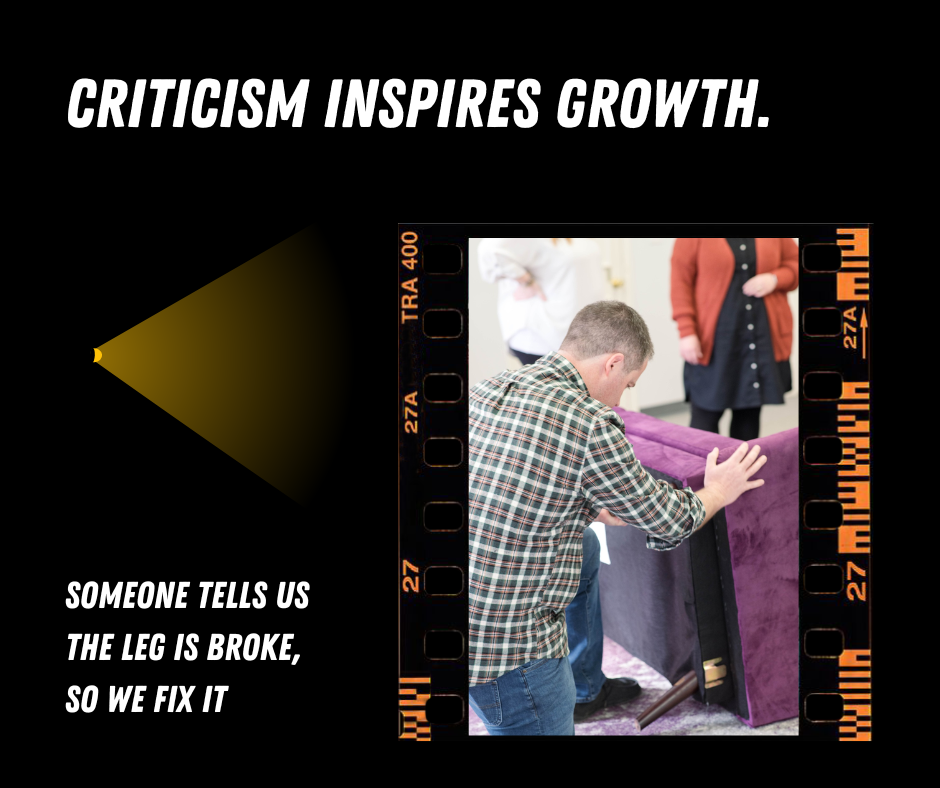
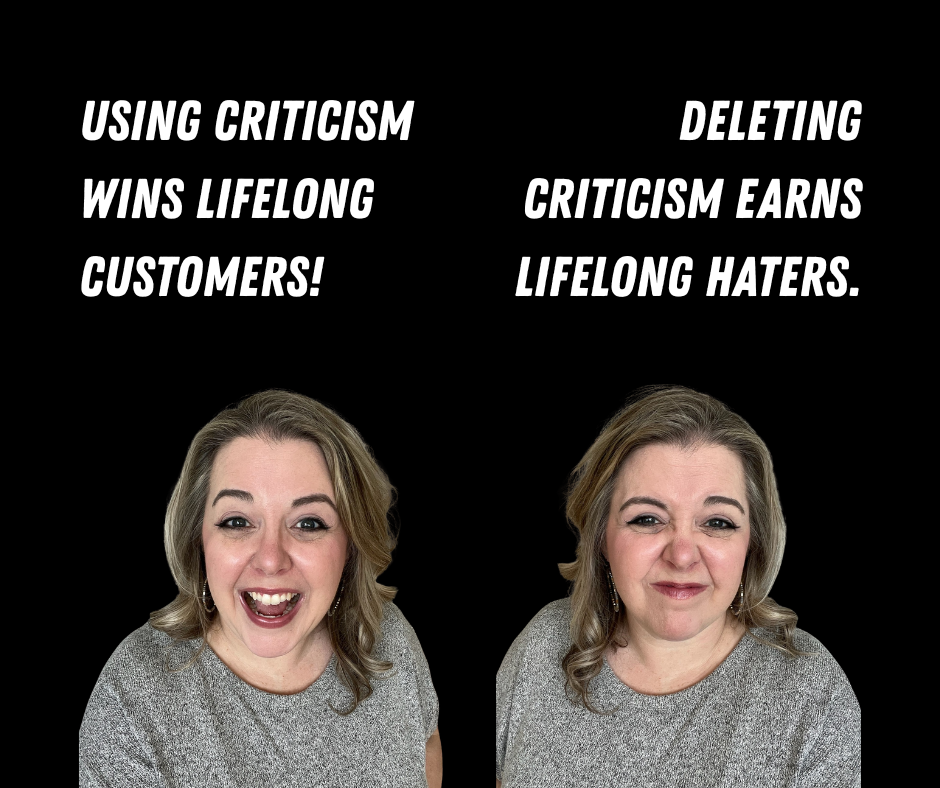
Ask what you can do and how can you help. Work to amend any mistakes, taking the time can win you lifelong customers.
Use the feedback to improve. Share legitimate criticism internally, at staff meeting or in company communication channels. Review your processes and train or retrain staff if necessary. You should be treating negative comments as data — what can be improved?
Encourage positive reviews as well. Knowing where your company is strongest is just as important as knowing where it’s weakest. Ask happy clients for honest reviews can also dilute the impact of one negative one. Whatever you do: DO NOT DELETE VALID NEGATIVE COMMENTS! One negative comment is a critic, a deleted negative comment can make a hater. Negative comments can even work in your favor! 96% of consumers look for negative reviews in order to make informed purchase decisions. They can show potential customers the worst case scenario (which, thankfully, isn’t usually that bad). A lack of any negative reviews, or an overwhelming number of positive, can suggest to audiences that you may be paying for fake reviews, which can just as easily turn customers away.
Rude comments, false comments, and trolls
False information
Respond with caution – keep responses short and factual. Don’t argue with nonsense (it’s not always your fault! the customer is not always right). Sometimes, the most effective way to deal with a troll is to simply ignore them and move on.
Trolls
Stay calm: Trolls often aim to provoke a reaction. Stay calm and composed, even if their comments are hurtful. Don’t feed the trolls. Engaging can escalate the situation and give the troll more attention. Use humor if possible. A well-placed joke can defuse a tense situation and show that you’re not taking the troll seriously.
Rude comments
Rude, hateful, and dangerous comments are becoming more common online. Handling them requires a more cautious hand than trolls. Delete with discretion and, if your account is shared with other staff, set a policy for situations using profanity or rude language. Set boundaries, clearly stating that you won’t tolerate abusive or disrespectful behavior and report it to the social media platform. Banning, blocking, and reporting are tools in your hands for these more personal situations. Keep any responses mature and aligned with your brand.
Every business and social media account will deal with criticism and trolls. The only thing you can do as a social media manager is learn how to deal with them in a productive way, that helps make lifelong customers and show how much your business really cares.


0 Comments