
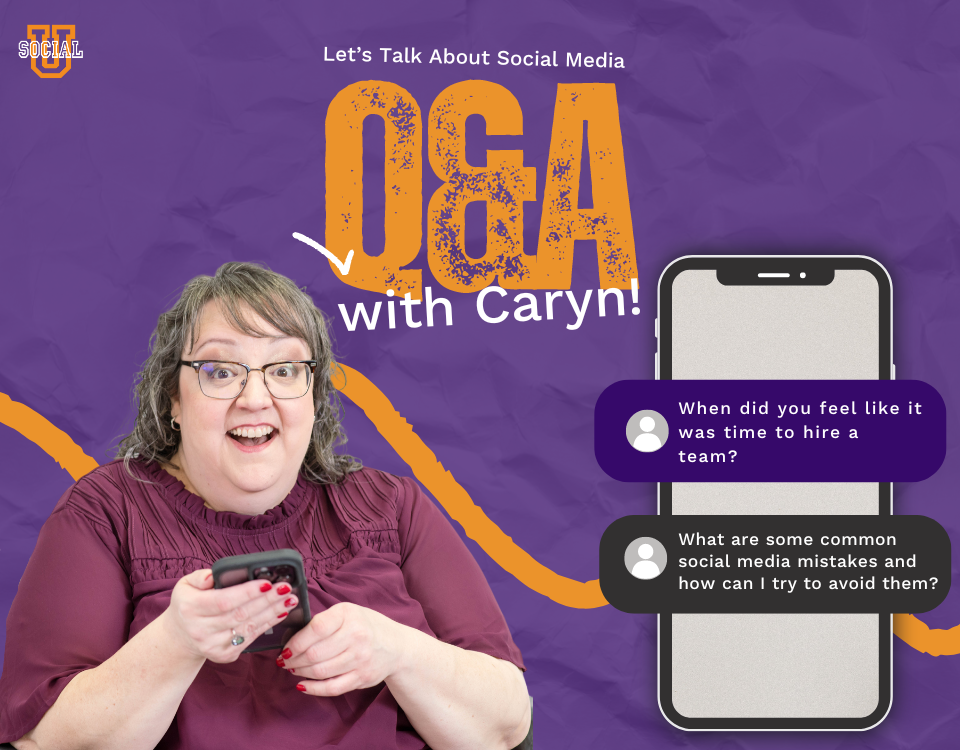
Every Wednesday morning at 10 a.m. central, we dive into social media and marketing tips, tricks, and trends. Today’s blog is a bit different as we hosted a live Q&A session—it was a complete “ask me anything” opportunity. So, in this blog, we will dive into some fantastic questions asked by those looking to enhance their social media presence and share valuable insights!
Knowing When to Hire: A Crucial Decision for Entrepreneurs
One of the questions I received today was about knowing when to hire someone. As an entrepreneur, this can be one of the most challenging decisions. Many of us, myself included, often resist hiring because of the fear associated with payroll responsibilities. However, there comes a point when the workload becomes unmanageable, and hiring help is not just an option but a necessity.
For me, the turning point was realizing that outsourcing certain tasks would free up my time to focus on growth areas, like sales and proposals. Hiring my assistant, Becky, was one of the best decisions I ever made. She handles numerous behind-the-scenes tasks, allowing me to concentrate on expanding the business. My advice? Don’t let fear hold you back. Hiring the right people can significantly impact your business growth and personal sanity.
Common Social Media Mistakes and How to Avoid Them
A recurring theme in our Q&A was about common mistakes brands make on social media and how to avoid them. Two primary errors stand out:
- Trying to Be Everywhere: Many brands attempt to maintain a presence on every social media platform. This approach can be overwhelming and inefficient. Instead, focus on one or two platforms that are most relevant to your audience and excel at those before expanding.
- Inconsistency: Posting sporadically can make your brand appear inactive. Consistency is key. Develop a content calendar and stick to it. Regular engagement helps build trust and keeps your audience interested.
Identifying Your Target Audience

Understanding your target audience is crucial for effective marketing. If you’re unsure about who your ideal customers are, start by analyzing your existing data. Look at the demographics of your current customers and identify trends. Additionally, tools like Google Analytics can provide valuable insights into your audience’s behavior.
For those just starting, consider using tools like ChatGPT, Gemini, or AnswerThePublic to see what questions people are asking in your industry. This research can help you tailor your content to meet the needs and interests of your audience.
The Importance of Building an Email List
One of my biggest regrets as an entrepreneur was not focusing on building my email list from the very beginning. Your email list is a powerful asset because it allows you to reach your audience directly. Social media platforms are great, but you don’t own those connections—they can change their algorithms or policies at any time.
Start building your list by offering valuable content in exchange for email sign-ups. Freebies, contests, and exclusive offers are excellent ways to attract subscribers. Once you have a list, make sure to engage with it regularly. Send out newsletters, updates, and personalized content to keep your audience engaged.
Posting at the Right Time
The timing of your posts can significantly impact their visibility and engagement. Different audiences have different peak times. For example, if you’re targeting professionals on LinkedIn, early morning posts might perform better. On the other hand, if you’re engaging with busy parents, afternoons during carpool time might be ideal.
Use your analytics to determine the best times to post for your specific audience. Experiment with different times and track the performance to find your optimal posting schedule.
Handling Negative Comments on Social Media

Negative comments and reviews are inevitable. The key is to handle them gracefully. Here’s how:
- Don’t Delete Negative Comments: Unless they are profane, demeaning, or illegal, do not delete negative comments. Deleting them can escalate the situation and make it personal for the commenter.
- Address Valid Complaints: If the complaint is legitimate, thank the person for their feedback and ask how you can resolve the issue. Move the conversation to private messages to handle it more efficiently and avoid public disputes.
- Ignore Trolls: For irrelevant or troll comments, a simple response with an emoji or ignoring them altogether can be effective. Engaging in arguments can often do more harm than good.
Closing the Deal: A Customer-Centric Approach
Finally, when it comes to closing sales, the focus should be on understanding and meeting the needs of your customers. High-pressure tactics can often backfire. Instead, ask your potential clients about their needs and how you can help solve their problems. Building a relationship based on trust and value is the most effective way to secure sales.
Achieving Great Success
Navigating the world of social media and marketing can be challenging, but with the right strategies and a focus on your audience, you can achieve great success. If you have more questions or need further assistance, feel free to reach out. Until next time, keep thriving in your social media endeavors!

0 Comments